ITSHEMP / PET CARE
More good days together.
They bring the joy. We bring more ways to care: hemp seed foods and oils, topical essentials, and clearly labelled CBD choices for your four-legged family.
For CBD or cannabis extracts, speak with your veterinarian before use. Always check the species and directions on each product.

HELLO, BEST FRIEND!
♥
MEET THE FAVOURITES
Good picks for good companions.
Popular buys and current finds from pet care brands. Compare every listing for species, ingredients and suitability.
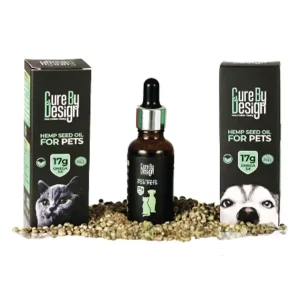 Popular pickHemp seed nutritionCure By Design Hemp Seed Oil For Pets (30ml)Cure By Design₹250.00
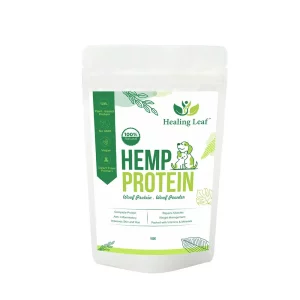 Popular pickHemp seed nutritionHealing Leaf Hemp Powder for Pets, 100gHealing Leaf₹380.00
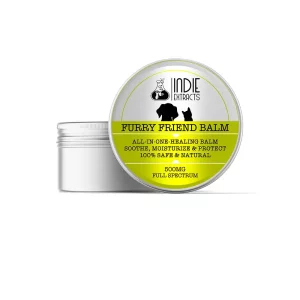 Balms & spraysIndie Extracts Furry Friend Balm, (10 - 50 gm)Indie Extracts Price range: ₹395.00 through ₹950.00
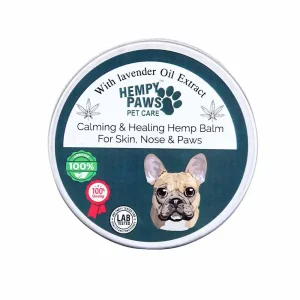 Balms & spraysHempyPaws Pet Care Calming & Healing Hemp Balm with Lavender Oil Extract, 100 GramsHempyPaws Pet Care Original price was: ₹599.00.₹499.00Current price is: ₹499.00.
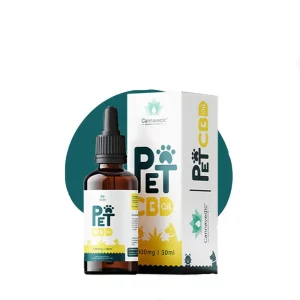 Popular pickCBD & cannabis extractsCannavedic Pet CBD Oil, 1500mg, 30mlCannavedic₹3,500.00
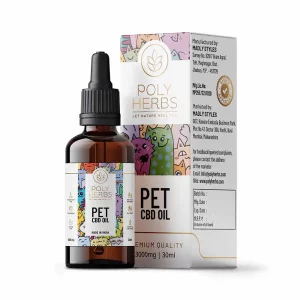 Popular pickCBD & cannabis extractsPolyHerbs CBD Oil for Pets 1000mg-3000mg, (10ml-30ml)Poly Herbs Price range: ₹2,199.00 through ₹4,999.00
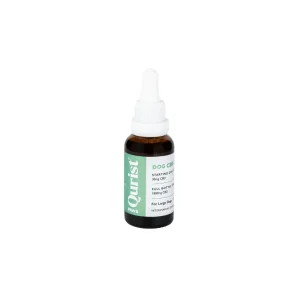 Popular pickCBD & cannabis extractsQurist Dog CBD Oil for Large Pets, 30mlQurist₹5,999.00
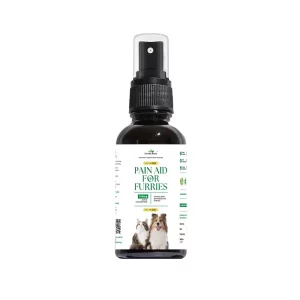 Popular pickCBD & cannabis extractsCannaking Pain Aid For Furries (50ml)CannaKing Original price was: ₹749.00.₹674.10Current price is: ₹674.10.
SHOP BY PRODUCT TYPE
A little something for every routine.
Start with the type of care you are looking for, then check each product’s label and species guidance.



GOOD FOOD MOMENTS
CARE THAT FITS THEIR ROUTINE
DOGS FIRST, CATS & HORSES TOO
A LITTLE MORE TAIL-WAG ENERGY
SHOP BY COMPANION
Their needs are wonderfully different.
Dogs lead this collection. Cats and horses have smaller dedicated selections; read the label and ask a veterinarian before using a cannabinoid product.
For dog people
Drops, topical care and seed-based foods to explore for your favourite walking partner.
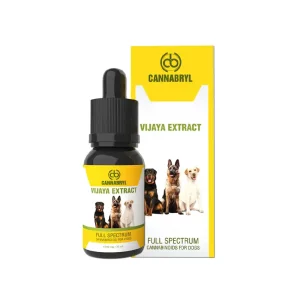 CBD & cannabis extractsCannabryl Full Spectrum Vijaya Extract For Dogs, 1500mg, CBD-THC Balanced, 30mlCannabryl₹4,500.00CBD & cannabis extractsQurist Dog CBD Oil for Large Pets, 30mlQurist₹5,999.00
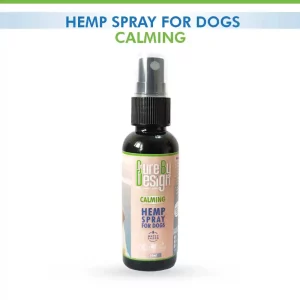 Balms & spraysCure By Design Hemp Calming Spray for Dogs, 50mLCure By Design₹250.00
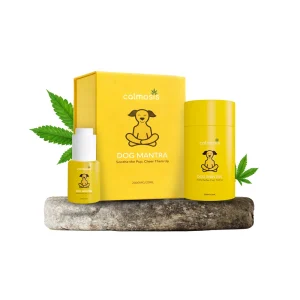 CBD & cannabis extractsCalmosis Dog Mantra THC-Free CBD Oil for Dogs 2000mg (Chicken Flavour), 20mlCalmosis₹2,500.00
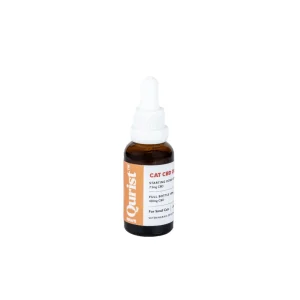
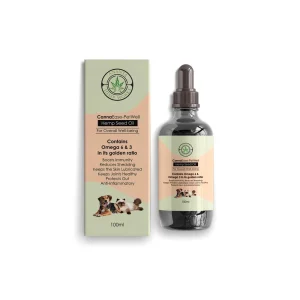
For cat people
A small, species-specific edit. Never give a cat a dog product by assumption.
For horse people
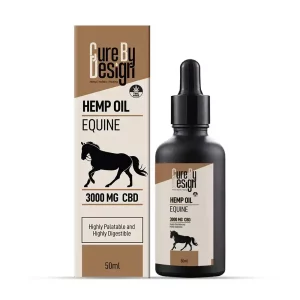
Explore equine-labelled options when available. Use only with equine veterinary guidance.
For birds and other companions: Bird-specific products are not featured in this edit. Ask an avian or species specialist veterinarian before considering any hemp or cannabis product; never adapt a dog dose.
CURRENT FROM THE PET SHELF
Find a format that fits their day.
These product shelves update with visible, in-stock listings. We show different brands when the collection allows.
The food-side of hemp.
Browse hemp seed oil, hearts, powders and pet foods. Check the complete nutrition label, ingredients and whether the product is designed for your animal.
Hemp seed nutritionCure By Design Hemp Seed Oil For Pets (30ml)Cure By Design₹250.00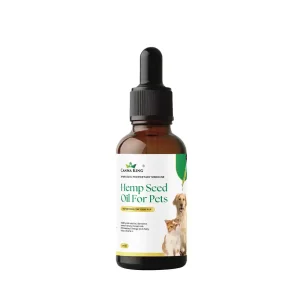 Hemp seed nutritionCannaking Hemp Seed Oil For Pets (50ml)CannaKing Original price was: ₹349.00.₹314.10Current price is: ₹314.10.
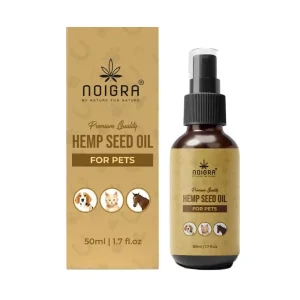 Hemp seed nutritionNoigra Hemp Seed Oil for Pets, 50mlNoigra₹399.00Hemp seed nutritionHealing Leaf Hemp Powder for Pets, 100gHealing Leaf₹380.00
Oils & drops, with clear labels.
Compare the cannabinoid content, concentration, species directions and intended use. Speak with a vet before choosing CBD or cannabis extracts.
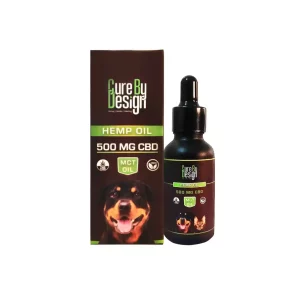 CBD & cannabis extractsCure By Design Hemp Oil for Pets - 500mg CBD (MCT) (30ml)Cure By Design Original price was: ₹2,000.00.₹1,500.00Current price is: ₹1,500.00.CBD & cannabis extractsPolyHerbs CBD Oil for Pets 1000mg-3000mg, (10ml-30ml)Poly Herbs Price range: ₹2,199.00 through ₹4,999.00CBD & cannabis extractsCannabryl Full Spectrum Vijaya Extract For Dogs, 1500mg, CBD-THC Balanced, 30mlCannabryl₹4,500.00CBD & cannabis extractsCannavedic Pet CBD Oil, 1500mg, 30mlCannavedic₹3,500.00
Care from nose to paw.
Balms and sprays for external routines. Read where a product may be applied and prevent unwanted licking where the label advises it.
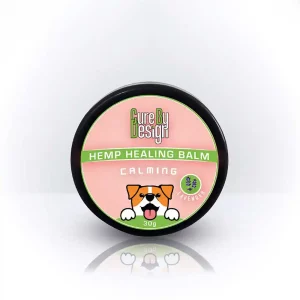 Balms & spraysCure By Design Hemp Healing Balm - Calming (30 gm)Cure By Design₹350.00
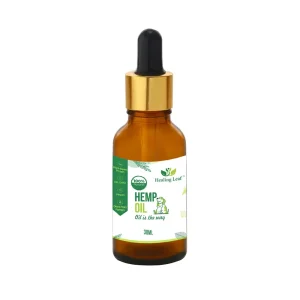 Balms & spraysHealing Leaf Hemp oil for Pets, 30mlHealing Leaf₹300.00
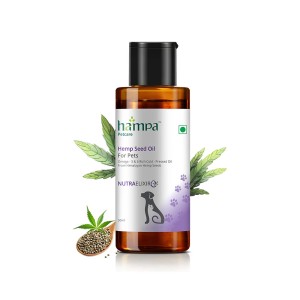 Balms & spraysHampa Seed Oil for pets, 50 mlHampa₹399.00Balms & spraysIndie Extracts Furry Friend Balm, (10 - 50 gm)Indie Extracts Price range: ₹395.00 through ₹950.00
THE MAKERS BEHIND THE MAGIC
Care comes from good people.
Explore brands with pet products available now.






A LITTLE KNOW-HOW GOES A LONG WAY
Three labels. Very different choices.
“Hemp” can mean a food ingredient, a topical formula or a cannabinoid extract. Understanding the difference helps you ask better questions for the animal you love.
Hemp seed ingredients
Hemp seeds, hearts and seed oil are food ingredients with fats and other nutrients. They are not the same as CBD. A seed-based pet product should complement a complete, species-appropriate diet—not replace it.
CBD & cannabis extracts
These products contain cannabinoids and vary in concentration and formulation. Evidence for some uses in dogs is still uncertain, while evidence for cats, horses and birds is thinner. Review the exact label with your veterinarian.
THC is a different risk
THC can cause intoxication and harm in pets. Keep human cannabis and edibles out of reach. Never assume a product is THC-free because it says “hemp”; check its test information and seek urgent veterinary help after suspected exposure.
Sources: FDA guidance on cannabis products for animals; hemp seed nutrient study for canine and feline diets.
THE PET PERSON’S FIELD GUIDE
Curious care is better care.
Searching for hemp oil for dogs, CBD for pets, hemp seed food or a paw balm? Start here, then compare the current product labels and talk through health concerns with your veterinarian.
Can hemp seed food support everyday nutrition?
Hemp seed ingredients contain fats, protein and fibre. Their value depends on the whole formulation, amount fed, species and the rest of the diet. A study of whole hemp seeds found useful nutrients, but also a limiting amino acid; hemp seed alone is not a complete food for dogs or cats. Choose a product labelled for the animal and ask a veterinary nutrition professional before changing a medical diet.
Coat shine starts with the whole routine.
A comfortable skin and coat reflect more than one ingredient: balanced food, grooming, parasite control and attention to allergies matter. Hemp seed oil supplies fatty acids, but no particular bottle can guarantee a glossy coat. If shedding, itching, hair loss or dullness persists, have a veterinarian check the cause. Take photos in similar light over time if you are tracking a change.
Mobility and pain deserve a real plan.
If a dog hesitates at stairs, rises slowly, avoids play or becomes lame, seek a veterinary diagnosis. Small CBD studies in dogs with osteoarthritis have reported mixed outcomes; a systematic review rated certainty very low. Do not replace prescribed pain care with a shop-bought extract. Ask your vet which observations—walk length, ease of rising, activity and comfort—are worth tracking.
Calm is more than one drop.
New restlessness, separation distress, noise fear or poor sleep may have a medical or behavioural cause. Start with routine, exercise, a safe environment and a vet or qualified behaviour professional. Evidence for CBD as a reliable calming treatment in pets remains limited. If a cannabinoid product is considered, confirm its ingredients, interactions and follow-up plan first.
How to read a pet CBD label.
Look for the animal and weight range stated on the pack, exact CBD quantity per pack and serving, THC content, other botanicals, batch testing and full ingredients. “Full spectrum” and “hemp oil” are not interchangeable claims. Do not use a human product for a pet or copy another animal’s dose.
Topicals: where and how they are used.
Balms and sprays are external-use products. Check the intended body area, directions, fragrance or essential oils, and whether licking must be prevented. An irritated paw or wound may need treatment, not a cosmetic balm. Stop using a product that causes redness, discomfort or excessive licking.
Cats, horses and birds need their own answers.
A formula or amount used in a dog cannot be assumed safe for a cat, horse or bird. Cats may be more sensitive to some botanical ingredients. Horses and birds also have distinct physiology and medication considerations. This page has a smaller cat and equine edit and no bird-specific shelf; ask a species-experienced veterinarian before trying anything.
How to tell if a change is meaningful.
Choose one observable goal with your veterinarian. Write down a baseline: appetite, stool, walk or play duration, ease of movement, scratching, coat appearance, sleep and unusual behaviours. Change one thing at a time, use the product only as directed and review after the agreed period. If appetite, alertness, balance or behaviour worsens, stop and seek veterinary advice.
Evidence notes: systematic review of CBD for canine osteoarthritis; a controlled dog trial with no measured benefit and some adverse findings; small hempseed-cake nutrition study in dogs. Results from one product or species should not be applied to every pet product.
LOVE LOOKS CLOSELY
A simple way to follow their wellbeing.
A clear routine and a few notes tell you more than a dramatic promise on a label.
01 / Notice
Set a baseline
Photograph their coat, record normal walks, appetite, stools and behaviour before changing the routine.
02 / Choose
Check the label
Confirm species, ingredients and current stock. Discuss CBD or cannabis extracts and existing medicines with a vet.
03 / Observe
Watch the whole pet
Look for everyday changes that matter—and for unwanted effects such as vomiting, unusual sleepiness or unsteady movement.
04 / Review
Decide together
Share your notes with your veterinarian. Continue only if the product suits your animal and the agreed goal.
QUESTIONS FROM PET PEOPLE
Every question is an act of care.
These answers help you start a better conversation with your veterinarian and read product listings with confidence.
What is the difference between hemp seed oil and CBD oil for pets?
Hemp seed oil is a food or cosmetic ingredient pressed from seeds. CBD oil contains cannabidiol from other parts of the plant. Read the exact ingredient and cannabinoid panel; the names are sometimes used loosely in marketing.
Can I give my dog a human hemp or CBD product?
Do not assume it is suitable. Human products may contain THC, xylitol, flavours, essential oils or concentrations that are inappropriate for a dog. Ask your veterinarian and use a species-labelled product only as directed.
Do dogs need hemp products to be healthy?
No single hemp product is essential for every dog. A complete diet, exercise, preventive care, grooming and veterinary attention are the foundations. Hemp-based items are optional choices to assess for a particular animal.
Are hemp seed foods a complete dog food?
Not by themselves. Hemp seed ingredients can supply nutrients, but they do not replace a complete and balanced diet. Check the pack to see whether it is a treat, ingredient, supplement or complete food.
Can hemp seed oil make my dog’s coat shiny?
Fatty acids are relevant to skin and coat nutrition, but a visible result is not guaranteed by hemp seed oil alone. The whole diet, grooming and any underlying skin problem matter. See your veterinarian for persistent itch, hair loss or dullness.
Can CBD relieve arthritis or pain in dogs?
Research is mixed and the certainty of benefit is low. A dog with pain needs a veterinary diagnosis and treatment plan. Do not replace prescribed medicines with a CBD product without veterinary advice.
Will CBD calm a nervous dog?
It may not. Fear, anxiety or restlessness can have behavioural or medical causes, and evidence for routine CBD use is limited. Talk with a vet or qualified behaviour professional about a full plan.
Is THC safe for pets?
THC can cause intoxication and potentially serious adverse effects. Keep human cannabis and edibles away from animals. If a pet may have consumed THC, contact a veterinarian or emergency animal clinic immediately.
How do I know whether a pet oil contains THC?
Look for a batch-specific cannabinoid test report and the THC value, not just the word “hemp”. Ask the brand for clarification if a listing does not state its cannabinoid composition.
How should I compare pet CBD strengths?
Compare the total CBD in the pack, amount per serving, bottle size, concentration, species guidance and batch test. Your veterinarian can help interpret the label for your animal; do not infer a dose from another pet.
Should my veterinarian know about every pet supplement I use?
Yes. Share the exact product name, ingredient list and any medicines your pet receives. This is especially important for cannabinoid products and pets with liver, kidney or other health problems.
What signs suggest a product is not agreeing with my pet?
Watch for vomiting, diarrhoea, reduced appetite, unusual sleepiness, agitation, unsteadiness or a new skin reaction. Stop the product and speak to your veterinarian if these appear.
What if my pet accidentally eats cannabis?
Seek veterinary or emergency animal care promptly. Tell the clinician what was eaten, the likely amount and when it happened. Do not wait for severe signs.
Can cats use dog CBD oil or balm?
Do not assume so. Cats can respond differently to ingredients and concentrations. Use only a cat-appropriate product after discussing it with a veterinarian.
Are there cat-specific products here?
The current catalogue has a small cat selection, including a cat-labelled oil. It is still important to check the full label and speak with your vet before use.
Can horses use CBD or hemp oil?
Our current range includes an equine-labelled oil. Evidence and practical considerations for horses differ from dogs. An equine veterinarian should guide any use, particularly for competition or other regulated activities.
What about birds and other small animals?
This page does not feature bird-specific products. Do not adapt a dog or cat product for a bird or small animal; seek a species specialist veterinarian.
What pet food formats are in the catalogue?
Current listings include hemp seed oils, hemp hearts, powders and other pet foods. Availability changes, so browse the live category and read each item’s species and feeding directions.
Are pet chews available?
The chew category can be browsed, but stock changes. Check the live listing before planning a purchase; this page prioritises in-stock products.
Are peanut butter treats always safe for dogs?
No. Read the complete ingredient list and avoid xylitol, which is dangerous for dogs. Check the intended species, serving size and your dog’s dietary needs.
Can I apply a hemp balm to my pet’s paws?
Only if the product is labelled for that use. Follow the application directions and ask a vet about cuts, infection, ongoing licking or painful paws.
Do topical products replace treatment for a wound or skin disease?
No. A wound, infection, allergy or persistent irritation needs veterinary assessment. A topical product may be part of a routine only when it is suitable for the condition and species.
How long should I monitor a new pet product?
Agree on a review period with your veterinarian for health-related goals. Record a baseline and track one change at a time. Stop earlier if your pet has an adverse reaction.
What should I track for an older dog with mobility concerns?
Track ease of rising, stairs, walk length, play, sleep and any signs of pain. Share those notes with a vet; mobility changes can have causes that need diagnosis.
Are the products on this page currently in stock?
The product and brand sections draw from visible, in-stock listings. Stock can change quickly; the product page is the final check before ordering.
How are featured and sponsored products marked?
A paid product placement is labelled Sponsored. Featured and popular picks are separate labels. Compare every product by species suitability, ingredients and its full listing.
Can hemp products interact with my pet’s medicines?
Potential interactions are one reason to discuss cannabinoid products with your veterinarian. Bring the exact label and a list of your pet’s medicines and supplements.
Can I order pet products outside India?
Availability depends on destination, product type and shipping rules. Contact ITSHEMP before placing an international order, especially for cannabinoid products.
For animal safety and product claims, see FDA animal guidance, the FDA list of dangerous items for pets, and the canine osteoarthritis evidence review.
FOR EVERY LITTLE LIFE YOU LOVE
Find more ways to care, together.
Explore what is available now, compare the details, and keep your pet’s own needs at the heart of every choice.