2020 Iowa Hemp Season: First Year of Cultivation Ends with 13% Hot Crop Rate
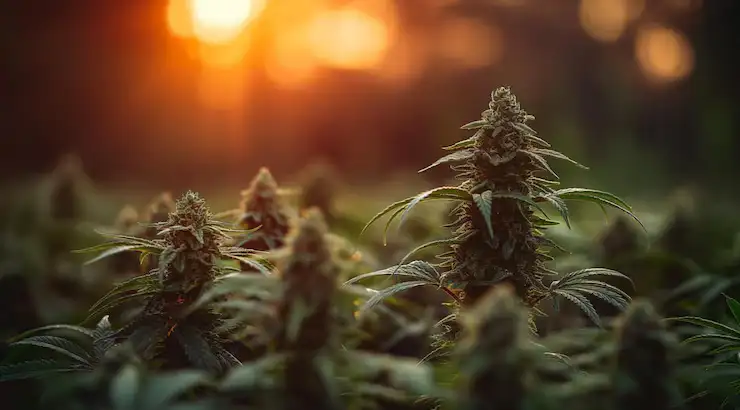
Farmers in Iowa faced both opportunities and challenges during the state’s inaugural hemp growing season.
In 2020, Iowa launched its first legal hemp season after USDA approval of its state plan. By the end of the year, about 13% of crops tested above the legal THC limit and were destroyed. Despite setbacks, officials said the season provided valuable lessons for growers and regulators.
The 2020 Iowa hemp season marked the state’s entry into America’s growing hemp economy. Following the passage of the 2018 Farm Bill, Iowa received approval from the U.S. Department of Agriculture (USDA) in early 2020 to implement its regulatory framework for hemp cultivation.
Farmers were able to apply for licenses beginning in April 2020, with costs ranging from $500 plus $5 per acre to $1,000 plus $5 per acre, alongside mandatory background checks. According to the Center for Agricultural Law and Taxation (CALT) at Iowa State University, this opened the door for Iowa farmers to explore hemp as a new cash crop amid fluctuating corn and soybean markets.
By December 2020, the Iowa Department of Agriculture and Land Stewardship (IDALS) reported that roughly 13% of hemp fields had to be destroyed because they tested above the federally mandated 0.3% THC threshold, classifying them as “hot crops.” While disappointing for many growers, regulators stressed that the results were expected for a first year and provided crucial data for improving future cultivation practices.
Agronomists at Integrated Crop Management (Iowa State University Extension) pointed out that hemp is a complex plant, influenced by genetics, weather, and soil conditions, making THC compliance a challenge. The high “hot crop” rate highlighted the need for better seed selection, testing protocols, and processing infrastructure.
Despite setbacks, state officials described the inaugural year as a “valuable learning experience”. Farmers gained insight into planting schedules, harvesting methods, and regulatory requirements, while policymakers collected data to adjust rules for future seasons.
Industry observers noted that Iowa’s cautious but steady entry into hemp aligned with broader national trends, as many states faced similar struggles balancing regulatory compliance with farmer profitability.
Reference
https://www.calt.iastate.edu/article/usda-approves-iowa-hemp-rules