The Year Hemp Found Its First Legal Ground in India: Uttarakhand, 2015
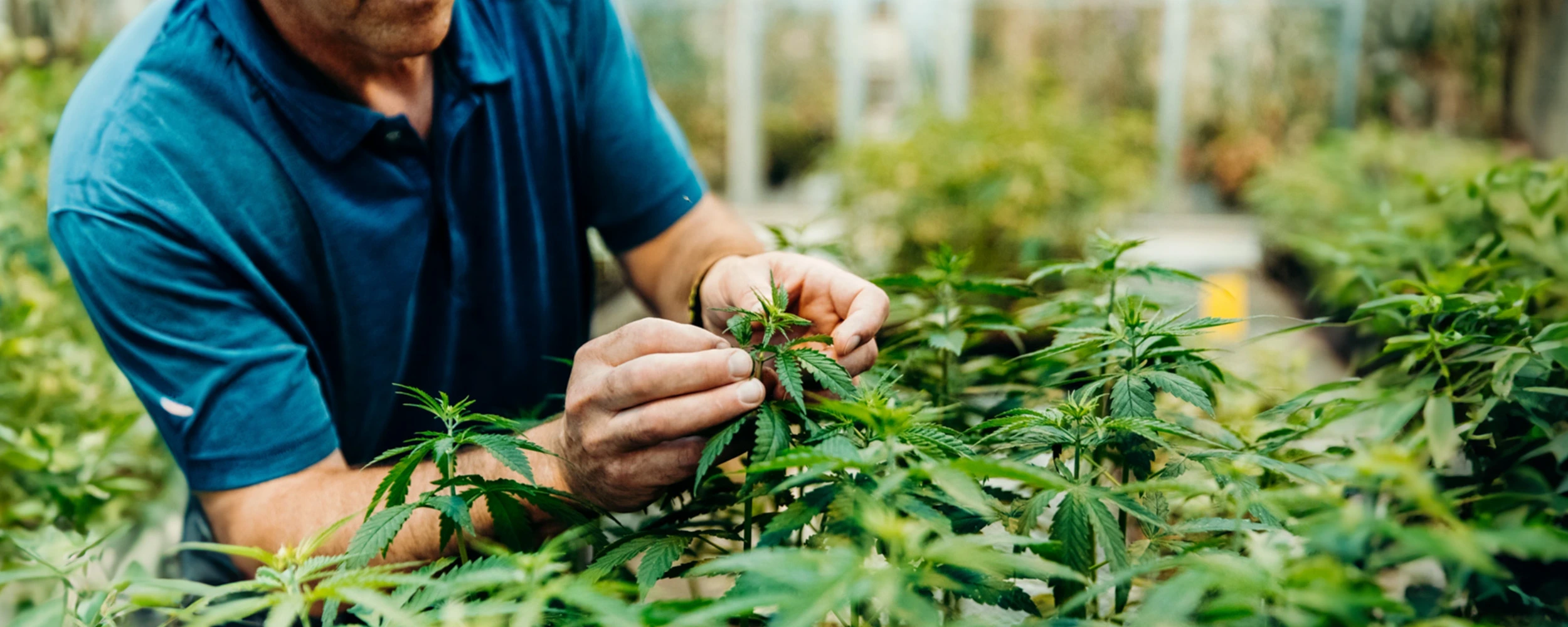
Back in November 2015, a quiet revolution began in the Himalayan state of Uttarakhand. While most of India still viewed cannabis only through the lens of stigma and prohibition, Uttarakhand took a bold step forward — becoming the first state in the country to legally permit the cultivation of hemp for industrial use. This wasn’t about getting high; it was about looking ahead. With its deep roots in traditional Indian culture and its global reputation as a wonder crop, hemp suddenly had a legal foothold in India. That single decision didn’t just change the future of farming in Uttarakhand — it planted the first seeds of what could become a nationwide movement for sustainability, innovation, and economic opportunity.
Why Uttarakhand Became India’s Hemp Pioneer?
Uttarakhand’s decision to legalize hemp cultivation in 2015 wasn’t accidental — it was the result of history, geography, and opportunity converging at the right moment. Nestled in the Himalayas, the state’s mountainous terrain and temperate climate are naturally suited for hemp. For generations, wild cannabis plants had grown freely across the region, and rural communities had quietly used hemp fibres to weave ropes, craft textiles, and create everyday tools. Hemp was not new to Uttarakhand — it was a part of its culture and livelihood.
What kept hemp from becoming a recognized crop was the Narcotic Drugs and Psychotropic Substances (NDPS) Act of 1985, which treated all cannabis under the same lens. While hemp contains less than 0.3% THC and does not cause intoxication, its potential was overshadowed by stigma and strict legal controls. This meant farmers who had the knowledge and natural conditions to grow hemp were restricted from using it as a legitimate source of income.
By 2015, however, the global narrative was changing. Countries around the world were beginning to recognize hemp as a sustainable, eco-friendly alternative with applications in textiles, nutrition, medicine, and even construction materials. These conversations reached India too, and Uttarakhand saw a chance to act first.
For the state, the decision was not only about agriculture — it was about unlocking rural development and economic opportunity. Hemp requires far less water than cotton, grows quickly without pesticides, and enriches the soil, making it ideal for sustainable farming. Legalizing it meant empowering farmers with a crop that could generate local employment, reduce environmental stress, and support industries like food, wellness, textiles, and building materials.
In short, Uttarakhand took the first step because it had the right natural conditions, a cultural familiarity with the crop, and the vision to see hemp as a future-forward solution for both people and the planet.
Building the Legal Groundwork: How Uttarakhand Structured Hemp Cultivation
When Uttarakhand became the first Indian state to permit industrial hemp cultivation in 2015, it did so within the boundaries of India’s Narcotic Drugs and Psychotropic Substances (NDPS) Act of 1985. This legislation gives state governments the power to regulate the cultivation of cannabis for industrial, scientific, and horticultural purposes, provided strict conditions are met. The distinction was critical: industrial hemp, with less than 0.3% THC, is legally and scientifically different from psychoactive cannabis used for recreational purposes.
To turn this decision into practice, Uttarakhand laid down a clear licensing framework that ensured both opportunity and accountability. Farmers, cooperatives, and private companies interested in hemp cultivation were required to apply for an official license from the state government. This ensured that only vetted and approved cultivators could legally grow hemp within designated areas.
The framework had several important pillars:
- Licensing & Regulation: Every grower needed prior approval, creating a transparent paper trail of who was cultivating hemp and for what purpose.
- Strict Industrial Focus: Cultivation was permitted strictly for industrial applications such as textiles, food, wellness, and eco-friendly materials. Any attempt to grow hemp for recreational or intoxicating use was prohibited.
- Monitoring & Compliance: Licensed cultivators were subject to periodic checks to ensure their crops met the legal threshold of THC levels (below 0.3%). This monitoring safeguarded against misuse and reinforced public trust in the system.
- Balancing Growth with Oversight: By combining economic opportunity with tight regulation, Uttarakhand created a model where hemp could flourish as a legitimate crop while addressing concerns about misuse or diversion.
This legal framework was more than just red tape — it was India’s first structured attempt to separate hemp from its decades-long association with narcotics. By striking a balance between innovation and regulation, Uttarakhand paved the way for other states to consider hemp not as a taboo, but as a regulated crop with immense industrial potential.
Why Uttarakhand’s 2015 Hemp Legalisation Became a Turning Point?
The decision to legalise hemp cultivation in Uttarakhand in November 2015 was not just a state-level policy move — it was a historic milestone in India’s agricultural and industrial journey. For decades, hemp had been caught in the shadow of its psychoactive cousin, cannabis, despite its proven utility as a sustainable and versatile crop. By formally recognising hemp’s potential, Uttarakhand became the first state in India to break this cycle of stigma and regulation, setting an example for the rest of the country.
Here’s why this decision stands out as a landmark moment:
1. India’s First Step into Legal Hemp
Until 2015, no Indian state had taken legislative action to distinguish hemp from other forms of cannabis. Uttarakhand’s legalization created the first official pathway for industrial hemp farming in India. This bold move positioned the state as a pioneer, while also opening the door for future policies in other regions.
2. A Win for Sustainable Agriculture
Hemp is often called a miracle crop because of its eco-friendly profile. It grows rapidly, needs far less water than cotton, and requires no pesticides. In addition, hemp’s deep roots improve soil health by preventing erosion and enriching fertility. For a state like Uttarakhand, with its fragile Himalayan ecosystem, promoting hemp meant embracing a sustainable agricultural model that could safeguard both the environment and farmers’ livelihoods.
3. Boosting Rural Employment & Livelihoods
Legalising hemp also carried strong socio-economic implications. The crop, once restricted,has now become a source of new rural employment. Farmers could grow hemp under licenses, cooperatives could process it, and small-scale businesses could explore hemp-based products. This was particularly meaningful for Uttarakhand’s hill communities, where employment opportunities are often limited.
4. Fuel for New Industrial Sectors
Beyond farming, the decision unlocked opportunities for industrial innovation. Hemp fibres and seeds are versatile raw materials that can be transformed into textiles, nutritious food products, oils, paper, construction materials, and even biodegradable plastics. Legal cultivation meant that Uttarakhand could become a hub for industries aligned with India’s sustainability and circular economy goals.
5. A Symbol of Changing Mindsets
Perhaps most importantly, 2015 marked a shift in perception. By distinguishing hemp from narcotics, the government signalled a readiness to reimagine cannabis through the lens of economics, sustainability, and science, rather than stigma. This paved the way for further conversations about hemp and cannabis across India.
In essence, Uttarakhand’s move in 2015 was more than just a law — it was a statement of intent. It showed that India was ready to look at hemp not as a taboo plant, but as a crop of the future with the power to balance ecology, economy, and tradition.
The Lasting Legacy of Uttarakhand’s Hemp Revolution
When Uttarakhand legalised hemp cultivation for industrial use in 2015, it did more than create opportunities within its own borders — it ignited a nationwide conversation about the future of hemp in India. What started as a state-level policy decision soon became a symbol of possibility for entrepreneurs, policymakers, and advocates across the country who had long been waiting for a breakthrough.
By becoming the first Indian state to officially recognise hemp as a legal crop, Uttarakhand transformed itself into a testing ground for India’s hemp industry. The state’s licensing framework, farmer participation, and early pilot projects provided valuable insights into how hemp could be regulated, cultivated, and commercialised in a way that was both profitable and sustainable. These learnings became a blueprint for the rest of the country, showing other states that industrial hemp could be embraced without fear of misuse.
The impact of this decision extended beyond agriculture. Uttarakhand’s pioneering step gave entrepreneurs and startups the confidence to explore hemp-based businesses in textiles, nutrition, wellness, and construction. It also encouraged policy advocates to push for broader reforms, highlighting hemp’s role in addressing pressing challenges such as rural employment, environmental sustainability, and the need for alternative raw materials in industry.
Equally important, the move helped shift public perception. By distinguishing hemp (a low-THC, non-intoxicating plant) from narcotics, Uttarakhand laid the groundwork for a more informed and open discussion about cannabis in India. This distinction allowed conversations to focus on hemp’s economic and ecological value, rather than outdated stigma.
In the years since, Uttarakhand’s hemp policy has come to represent a watershed moment in India’s journey toward embracing sustainable agriculture and innovative industries. While challenges remain, the state’s bold step in 2015 ensured that hemp is no longer seen as a forgotten plant of the past — but as a potential cornerstone of India’s green future.
Conclusion: Uttarakhand’s Bold Step and the Road Ahead
The legalization of hemp cultivation in November 2015 was more than just a regional reform — it was a bold, forward-thinking milestone that reshaped how India could view hemp. Uttarakhand’s decision proved that it was possible to separate hemp from the stigma of cannabis and acknowledge it as a legitimate industrial crop with far-reaching potential. By doing so, the state opened doors for sustainable agriculture, rural employment, and eco-friendly industries like textiles, food, wellness, and green innovation.
Nearly a decade later, the ripple effects of that decision are visible across India. Entrepreneurs, researchers, and farmers are building on the foundation laid in 2015, exploring hemp’s role in fashion, nutrition, personal care, and even construction materials. The move also shifted public perception, making it easier for conversations around cannabis and hemp to take place in the open.
Today, platforms like ITSHEMP continue this journey by bringing together trusted hemp, CBD, and Ayurvedic cannabis products on a single marketplace. For consumers, this means that what began as a policy breakthrough in Uttarakhand has evolved into accessible lifestyle choices — where anyone can experience the benefits of hemp in their everyday lives.
In many ways, Uttarakhand’s step in 2015 was not just about legalisation — it was about planting the first seeds of a sustainable future for India.